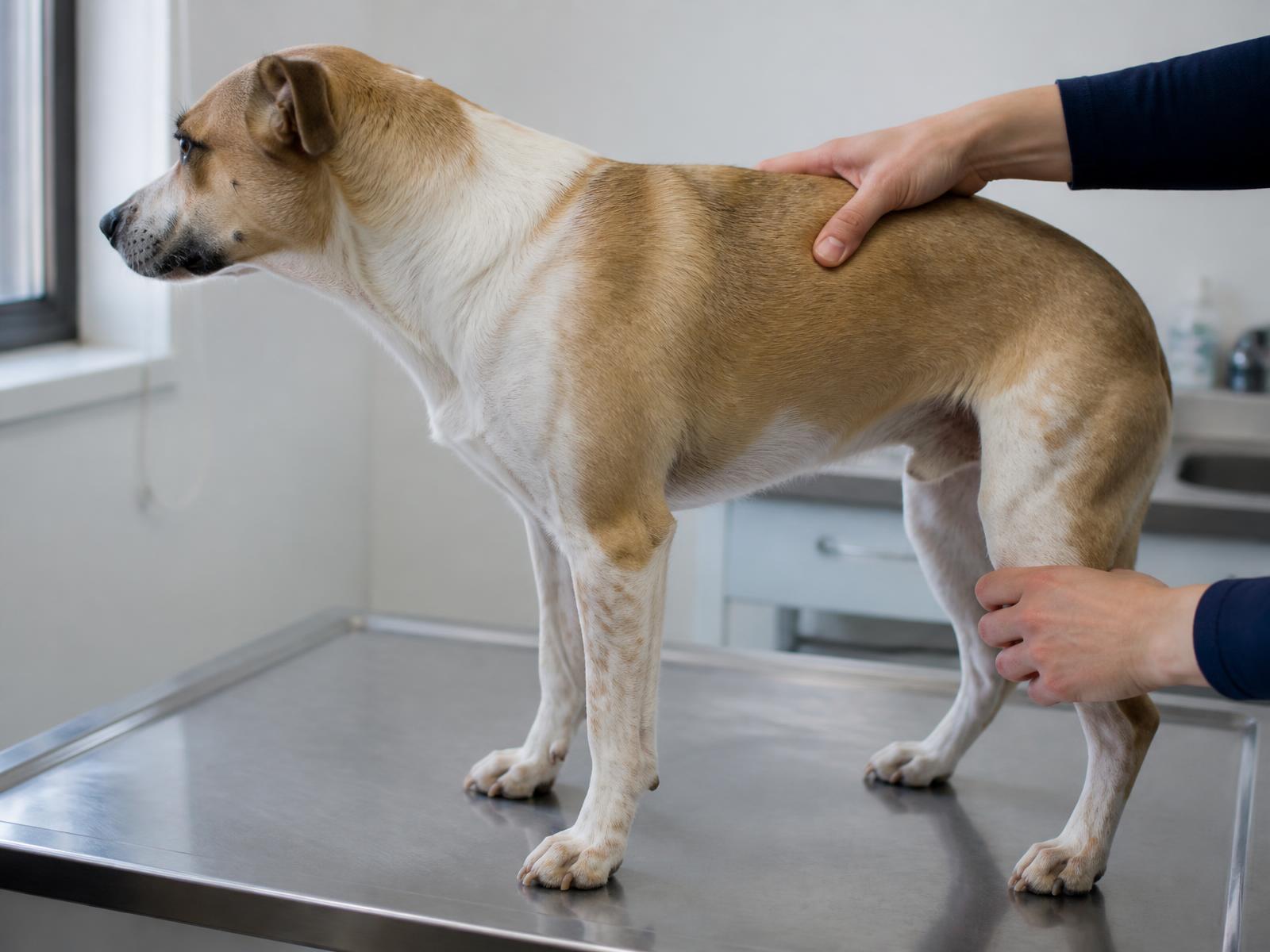
Canis lupus familiaris
Dogs
Our canine work looks at mobility, post-operative recovery, inflammation, wound healing and gastrointestinal protection, where owners and veterinarians already track outcomes closely.
Healing is a signal.
Vetria Peptide Sciences evaluates peptide-based therapeutic opportunities for dogs, cats and performance horses.
Peptides are short chains of amino acids. They are studied widely for the roles they play in biological signalling, including repair, inflammation and tissue maintenance.
Vetria evaluates where that science fits veterinary practice. We work one species and one defined need at a time. All work is at an early evaluation stage.
Our canine work looks at mobility, post-operative recovery, inflammation, wound healing and gastrointestinal protection, where owners and veterinarians already track outcomes closely.
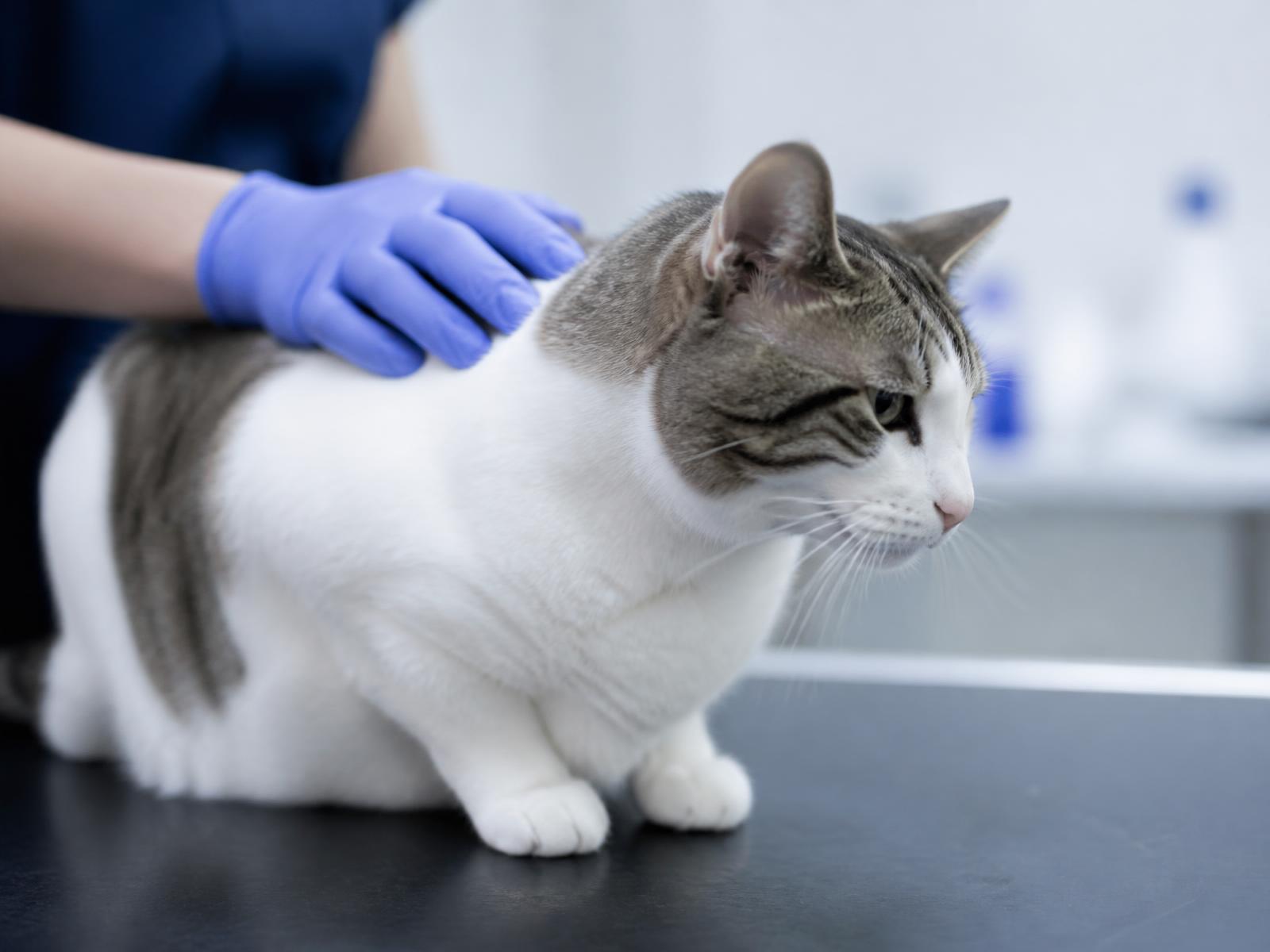
Feline evaluation centers on chronic inflammatory and gastrointestinal needs, and takes the distinct metabolism, dosing and handling realities of cats as a starting condition rather than an afterthought.
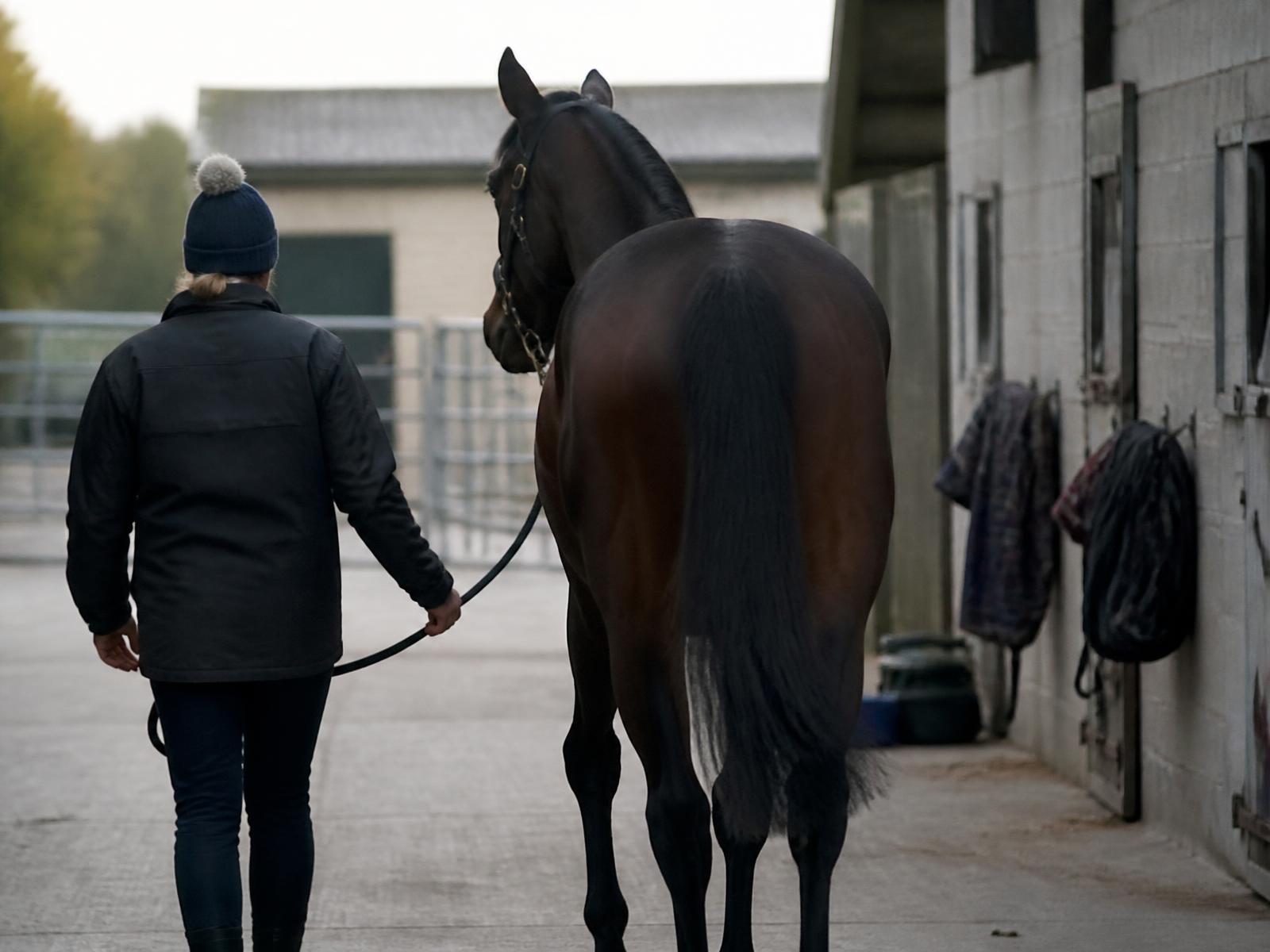
Equine evaluation concentrates on tendon, ligament and soft tissue injury, plus wound care, within the training, competition and welfare realities of working horses.
Each area pairs a defined veterinary need with the species it applies to. Selection is driven by whether the need is measurable in practice and whether peptide signalling is a sensible place to look.
Showing 7 of 7 areas
Orthopedic and soft tissue needs where recovery time and function are already measured in practice.
Post-operative orthopedic recovery
Tendon and ligament injury
Soft tissue repair
Inflammation associated with osteoarthritis
Chronic conditions where current management is long running and tolerability matters as much as effect.
Chronic inflammatory disease
Gastrointestinal mucosal protection
Surface repair needs common to companion and working animals.
Topical wound healing
Areas under evaluation. Program selection and development plans remain subject to scientific review.
Peptide signalling is well studied in human and animal biology. The open question in veterinary medicine is which needs it fits, in which species, and on what evidence. That question sets our order of work.
Candidate selection, formulation and delivery start from the physiology, tolerability and daily care realities of the species in question. A molecule that suits a horse rarely suits a cat unchanged.
Every program needs a defined veterinary need, endpoints a clinician already measures and controlled evidence appropriate to the proposed use. We hold decisions until that evidence exists.
Vetria intends to work with animal health companies, veterinary practices and research groups as programs are selected and development plans take shape.
Vetria brings together drug development, veterinary medicine, regulatory affairs, elite sports medicine and public company finance. Nine people, each with a defined role in how programs are chosen and evaluated.
Read full biographies


